
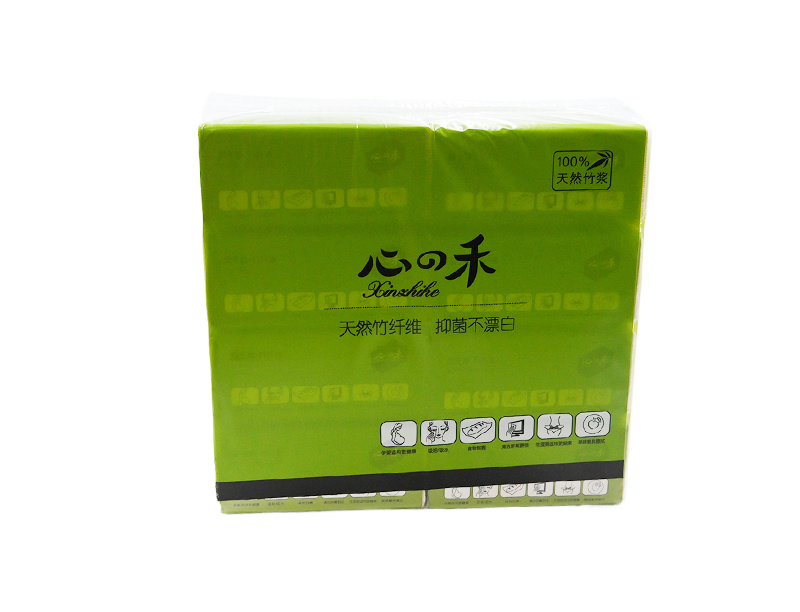
The tissue paper industry encompasses a wide array of products, among which the handkerchief stands as an emblem of personal hygiene and convenience. A tissue paper handkerchief, often simply referred to as a tissue or a handkerchief, is a soft, disposable piece of absorbent paper designed for cleaning hands, blowing noses, and wiping up small spills. It is typically made from a blend of cellulose fibers, which are derived from sustainable wood pulp or recycled paper, ensuring both strength and softness.
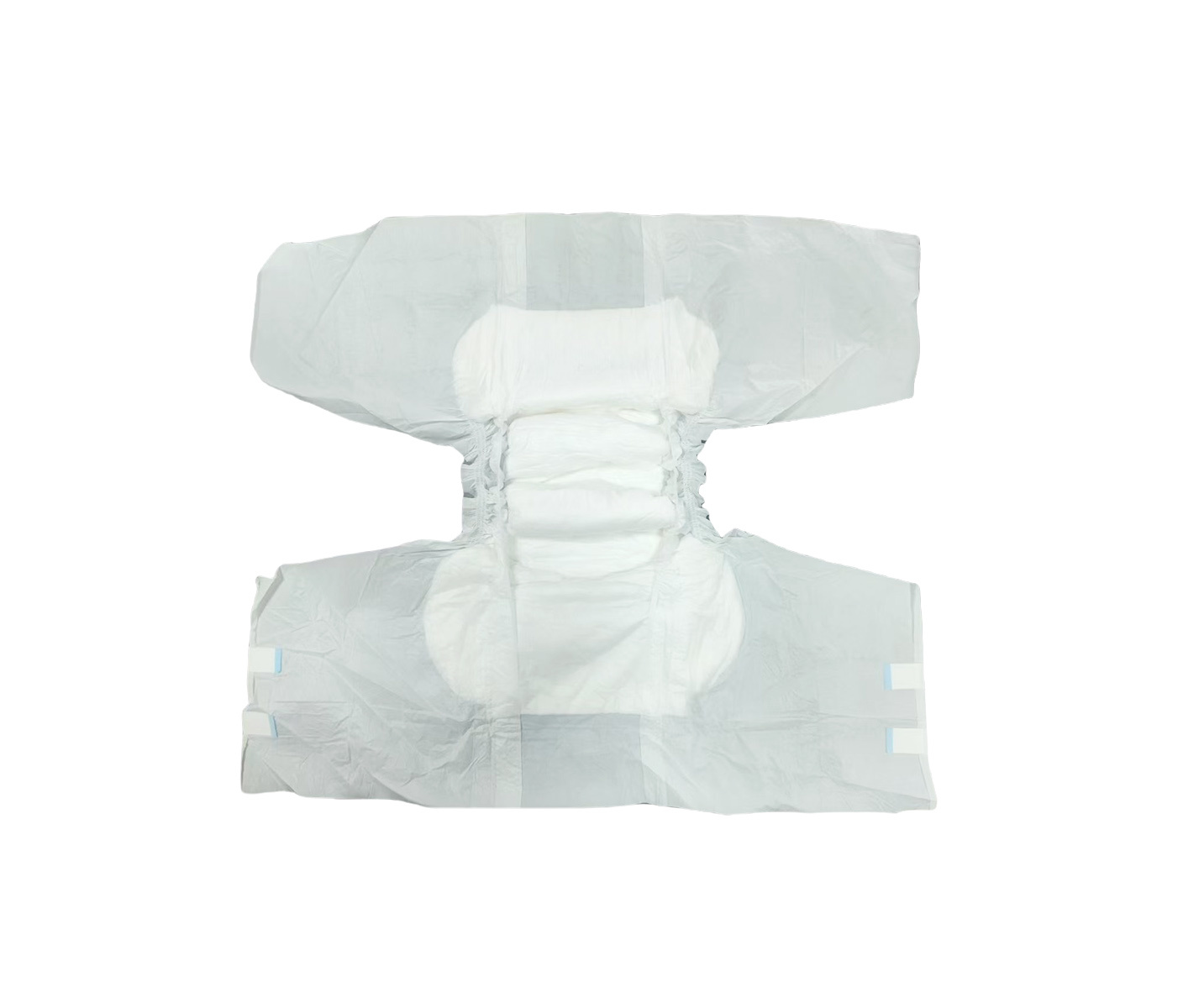
Soft tissue paper, the quintessential commodity in the personal hygiene industry, stands at the forefront of daily life convenience and hygiene. Crafted from a blend of cellulose fibers, soft tissue paper is designed to provide a gentle, yet effective cleansing experience. It is often found in bathrooms, kitchens, and other areas where a quick, sanitary solution is needed for wiping hands or surfaces.
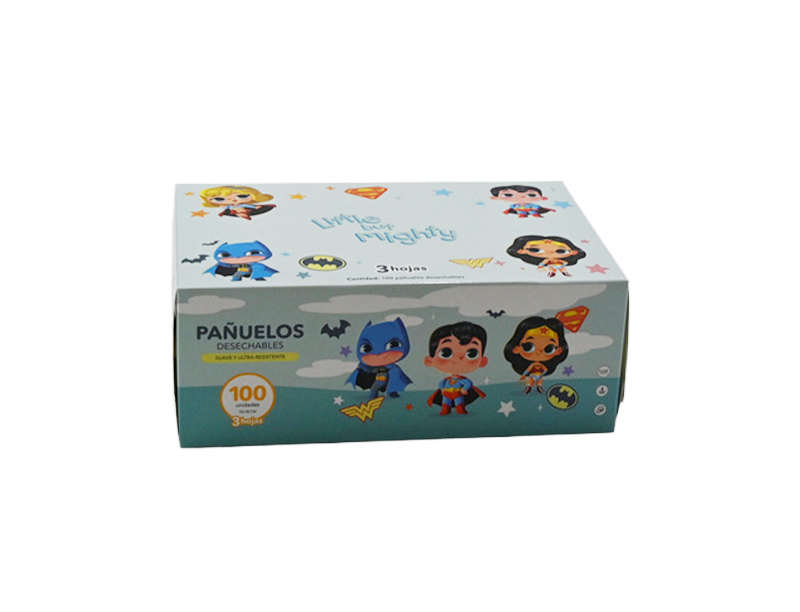
In today's world, the importance of personal hygiene cannot be overstated. At the forefront of this essential aspect of daily life are toilet tissue paper towels. These products have become ubiquitous in households, public restrooms, and commercial establishments worldwide due to their convenience, effectiveness, and sanitary benefits.
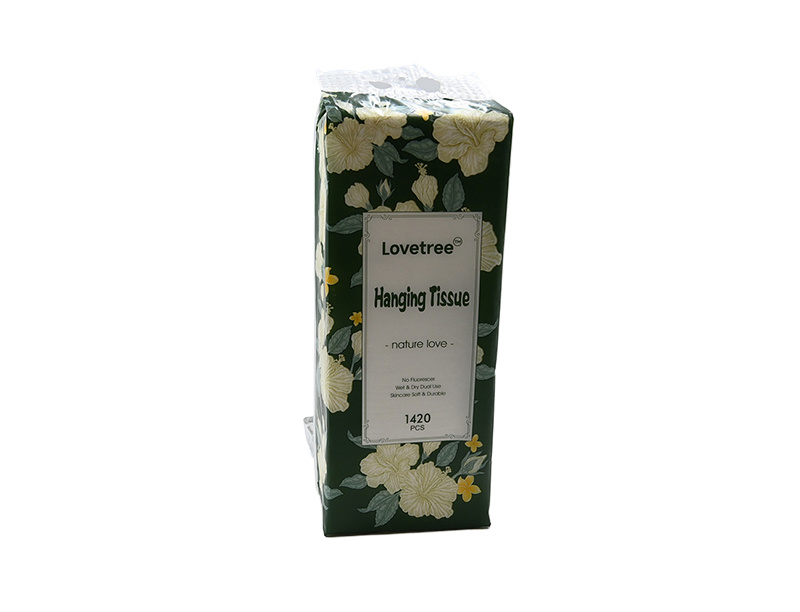
Tissue paper, a staple commodity in the hygiene industry, finds its unique place within the confines of vehicles. The concept of 'tissue paper in car' has become an integral part of everyday life due to its undeniable practicality and convenience. These thin, absorbent sheets are not only essential for personal hygiene but also serve multiple purposes when on-the-go, making them an indispensable item for every car owner.
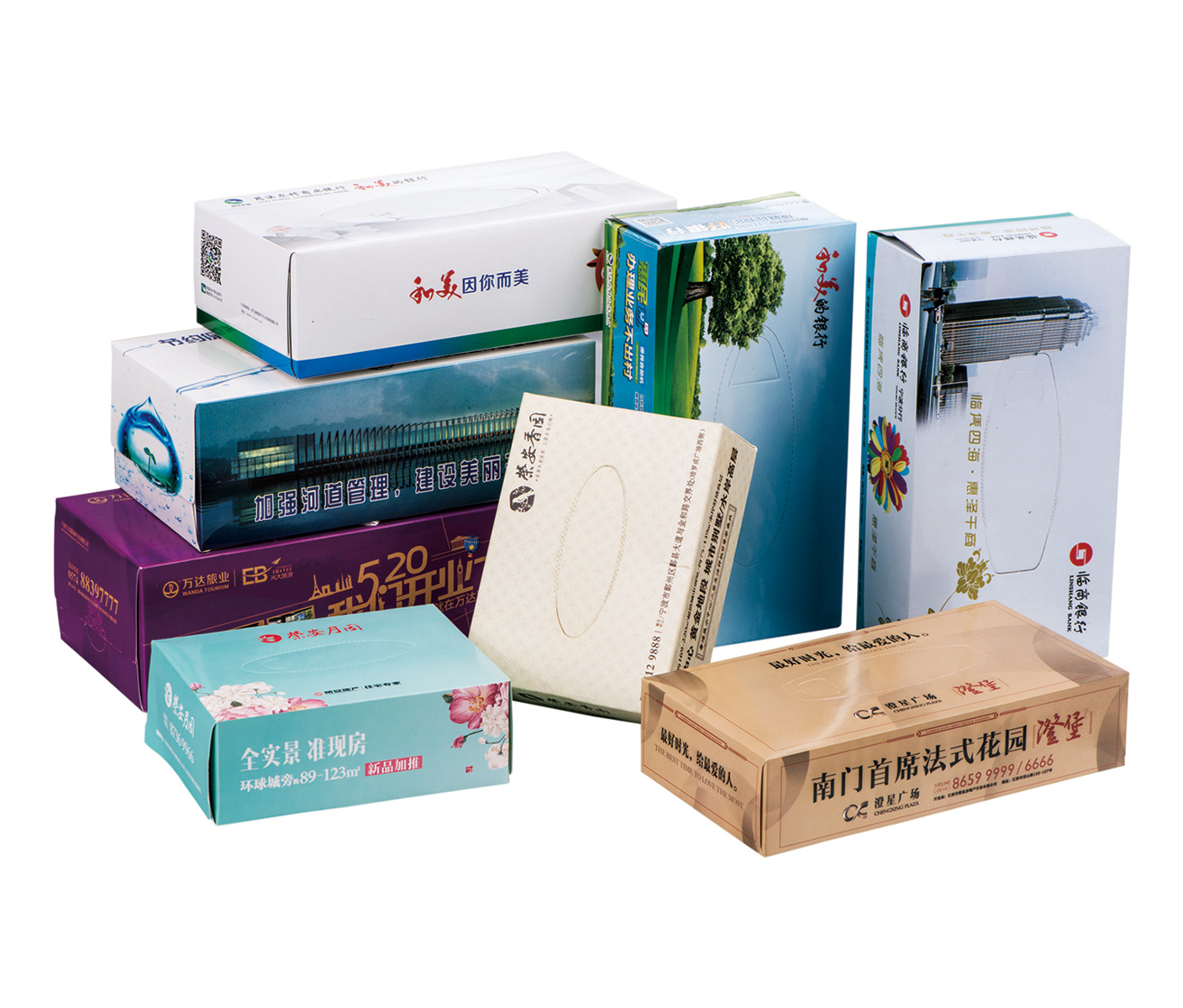
tissue paper used in kitchen, commonly known as kitchen roll or paper towels, plays a crucial role in maintaining hygiene and cleanliness in food preparation areas. This essential commodity is designed to absorb liquids quickly, making it ideal for wiping surfaces, utensils, and hands during cooking or cleaning tasks.
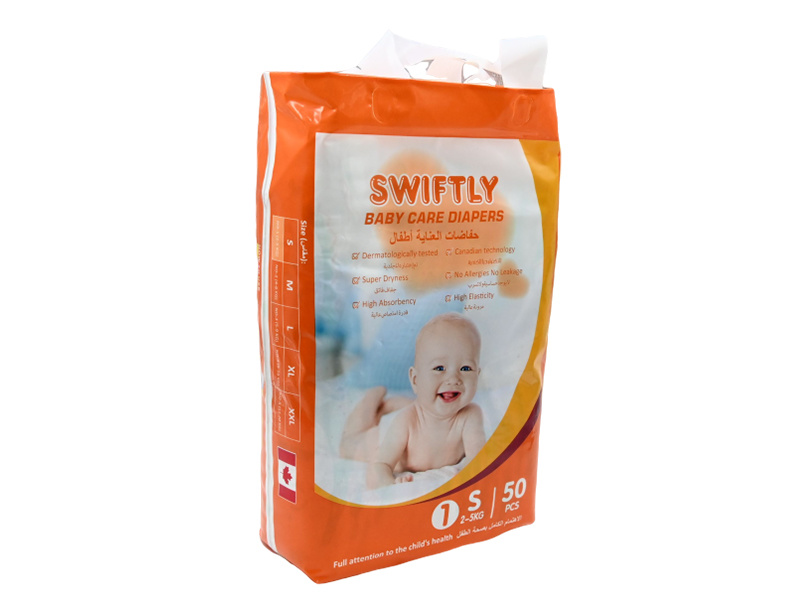
toilet tissue paper towels are essential commodities in the sanitary paper industry, serving a vital role in maintaining hygiene and cleanliness in our daily lives. Toilet tissues, also known as toilet rolls or bathroom tissues, are soft, absorbent sheets designed for use in personal cleansing after using the restroom. They come in various ply options, such as 2-ply or 3-ply, which refer to the number of layers of tissue paper compressed together for added softness and strength.
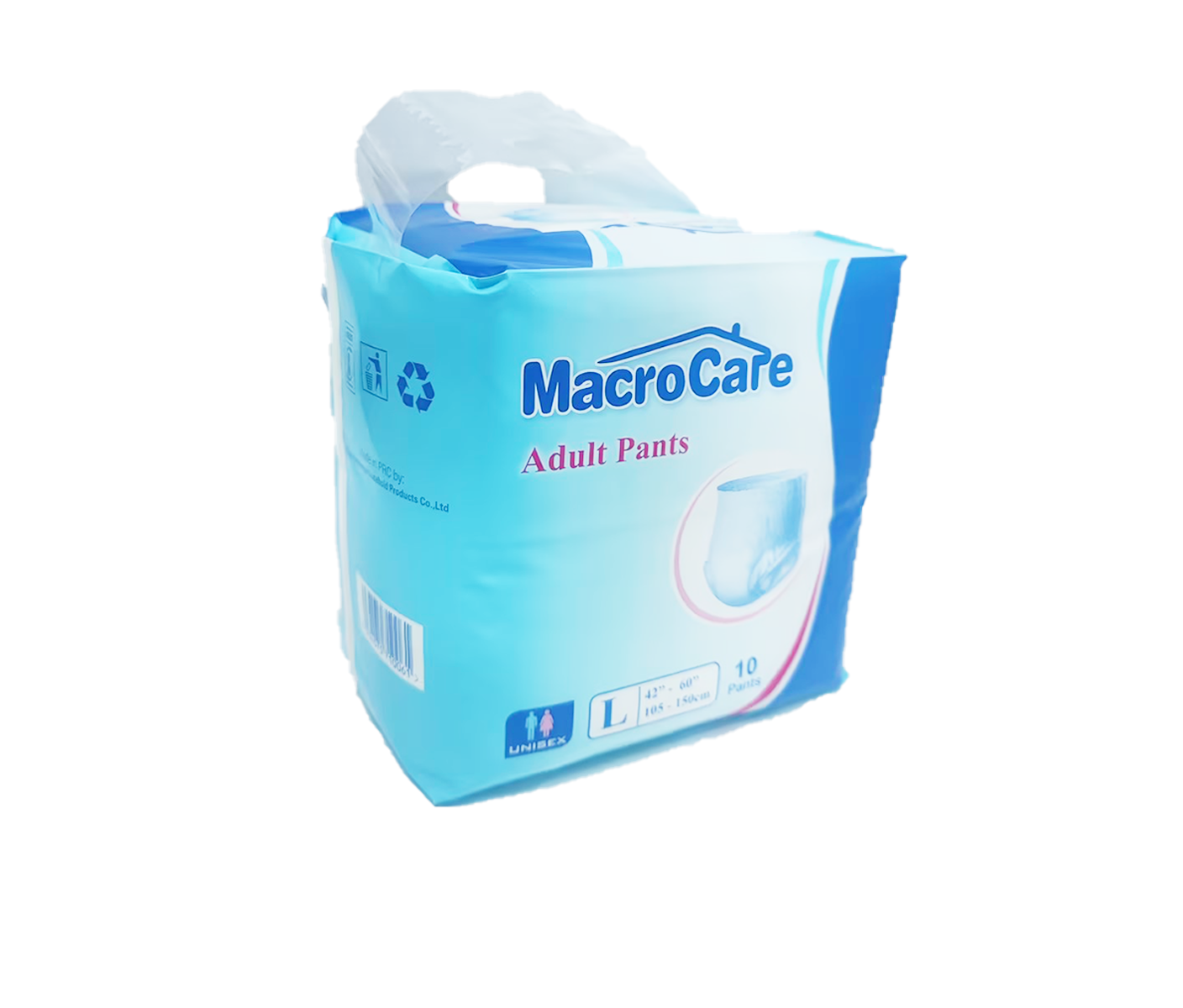
Wet and dry tissue paper is an essential commodity in the sanitary industry, designed to cater to a wide range of personal hygiene needs. These tissues come in two distinct forms: wet wipes, which are moistened for added cleansing power, and dry sheets, which are versatile and suitable for various settings.
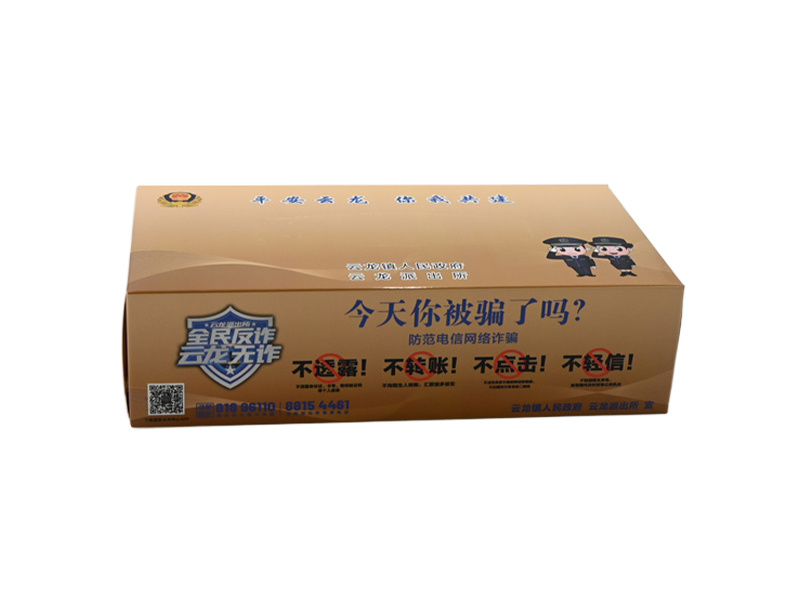
Tissue paper toilet, commonly known as toilet paper, is a vital product in the sanitary industry. It is primarily used for personal hygiene and cleaning purposes in restrooms and bathrooms. Made from soft, absorbent materials such as wood pulp or recycled paper, tissue paper toilet offers comfort and convenience to users. The production process involves several stages, including pulping, refining, and converting, ensuring the final product is both soft and strong enough to withstand use without tearing.
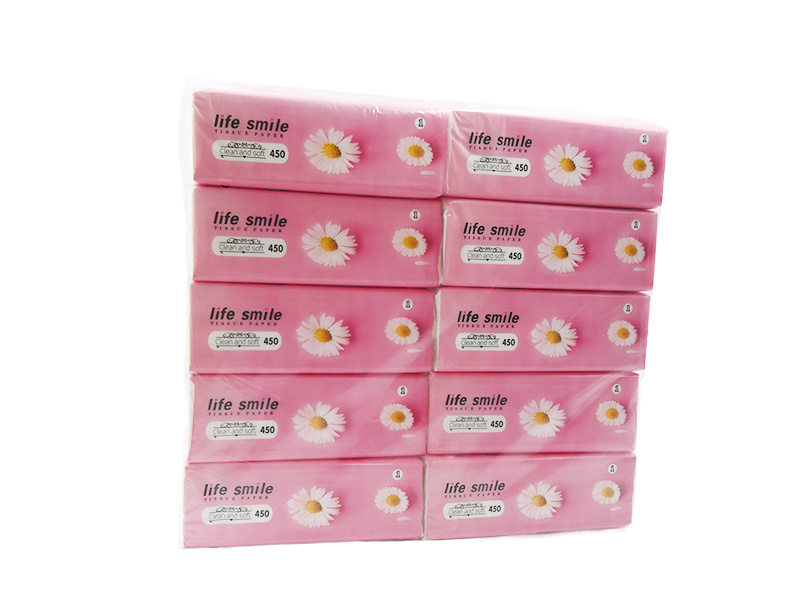
Household soft tissue paper, commonly known as toilet paper or bathroom tissue, is an essential commodity in daily life. Crafted from soft, absorbent materials such as virgin wood pulp or recycled paper, these products are designed to offer comfort and hygiene during personal cleansing. The soft tissue paper industry prioritizes quality standards that ensure the product is not only gentle on skin but also free from harmful substances.
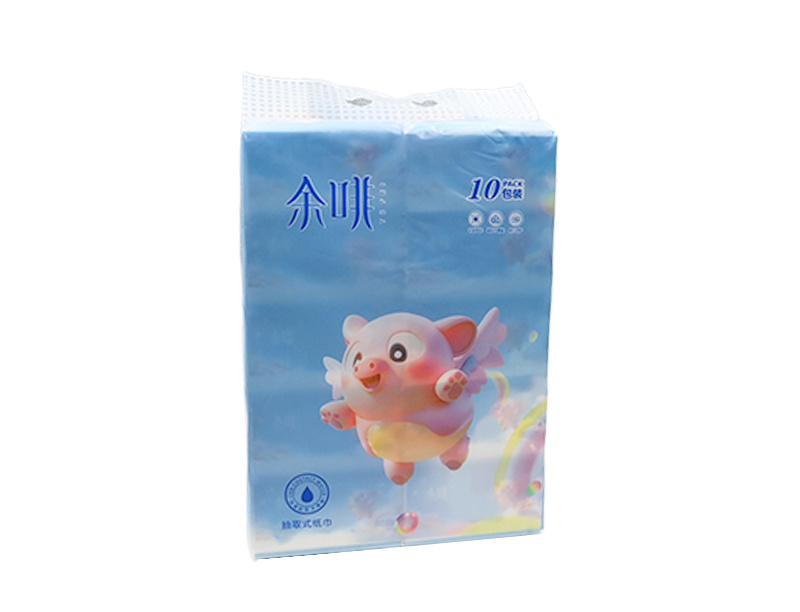
Eco friendly tissue paper is a sustainable solution in the hygiene industry that caters to environmentally conscious consumers. Crafted from 100% recycled materials, it offers a guilt-free alternative to traditional tissue products. These papers are designed not only for their softness and absorbency but also for their reduced environmental impact. The production process minimizes energy consumption and waste, ensuring these tissues are as gentle on the planet as they are on your skin.